Odour removal for damp flats near Wimbledon Common
Posted on 18/06/2026
If you live in or manage a flat near Wimbledon Common, you already know the problem can start quietly. A faint musty smell in the hallway, a heavier damp odour in a bedroom cupboard, maybe a stale note from the carpet after a wet week. Then it builds. Odour removal for damp flats near Wimbledon Common is not just about making a room smell nicer; it is about dealing with the source, stopping the smell from returning, and making the home feel properly liveable again.
This guide explains what causes the smell, what actually works, and how to approach the job without wasting time on surface fixes. It also covers the practical decisions people often face in period conversions, rented flats, and smaller blocks around the Wimbledon area. Truth be told, damp odours are stubborn. But they are usually manageable if you take the right steps in the right order.
For broader reading on local property upkeep, you may also find these Wimbledon flat cleaning tips and this guide to emergency flood cleanup service options in Merton useful alongside the advice below.
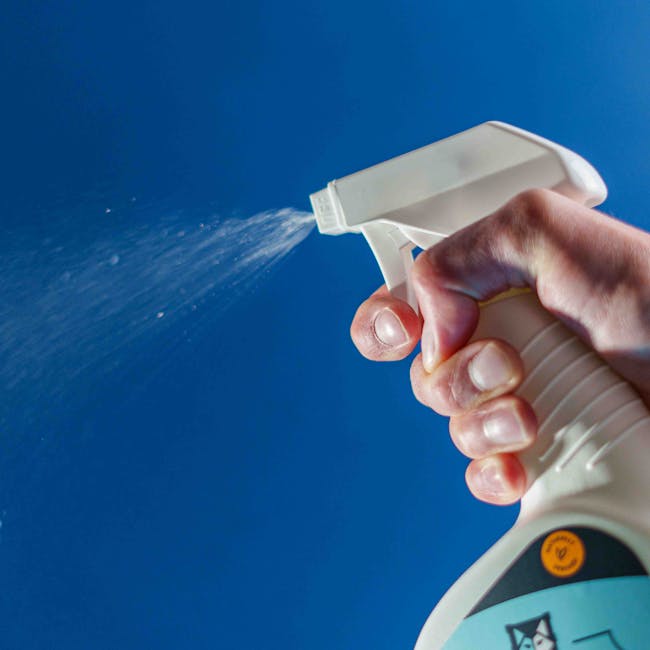
Why Odour removal for damp flats near Wimbledon Common Matters
Damp smells are often the first thing people notice and the last thing they can tolerate. In a flat, especially one with less airflow than a house, odour can linger in textiles, soft furnishings, plaster, skirting boards, and even the contents of cupboards. Near Wimbledon Common, where many homes sit in older buildings or leafy, shaded streets, you may also see more condensation in cooler months. That does not automatically mean there is a serious problem, but it does mean odours can get established quickly.
The bigger issue is that smell is often a symptom, not the whole problem. A flat can be cleaned from top to bottom and still smell damp if the underlying source remains. That source might be a slow leak, poor ventilation, an unheated room, wet carpets, or trapped moisture behind furniture. If you ignore it, the odour tends to spread into wardrobes, sofas, bedding and hallways. Nobody wants to come home to that heavy, slightly sour smell that seems to greet you at the door.
There is also a practical side. Damp odour can affect how a flat is perceived by guests, landlords, tenants, buyers, and even insurers if damage has been left unresolved. In rental settings, it can quickly become a point of dispute. In sales, it can leave a bad impression during viewings. In everyday life, it simply makes the space feel unclean, even if you have been scrubbing like mad.
Expert summary: Odour removal works best when you treat the cause first, then clean the affected materials, then dry and ventilate the space properly. Skip one of those steps and the smell usually comes back.
How Odour removal for damp flats near Wimbledon Common Works
Effective odour removal is a process, not a single product. Think of it in three layers: source control, contamination cleaning, and moisture management. That's the plain-English version. The slightly longer version is this: you need to remove or neutralise the moisture source, clean the surfaces and materials that have absorbed the smell, and then make conditions less friendly to the odour returning.
In practice, the work often starts with inspection. You are looking for visible signs such as dark patches, peeling paint, condensation on windows, swollen skirting, mould spots, or carpets that feel cool and slightly clammy. But the smell can also travel. A flat may smell musty in the lounge while the actual problem sits under a bed, behind a wardrobe, or inside an airing cupboard. It's annoying, yes, but that's how these things behave.
Once the likely source is identified, cleaning can begin. That may include vacuuming with a HEPA-filter machine, washing hard surfaces with an appropriate detergent, treating soft furnishings, and removing any items that are holding moisture or odour. In some cases, carpet cleaning or upholstery cleaning makes a big difference because fabric absorbs the musty compounds that keep hanging around. If the dampness was caused by a leak or flood, you may also need careful drying and a more thorough hygiene-focused clean.
Odour control products can help, but they are not magic. Neutralising sprays, absorbers, and enzymatic cleaners can be useful depending on the cause, yet they should support the clean rather than replace it. If you simply spray fragrance over a damp smell, you get damp-plus-lavender. Not ideal.
Good ventilation matters too. Open windows where safe, run extractor fans, and let air move through the property. In enclosed flats, especially in cold weather, moisture can get trapped if the air never changes. That is why the final stage of odour removal is often about habits and airflow just as much as cleaning.
Key Benefits and Practical Advantages
When done properly, odour removal brings back the feeling of a healthy home. That sounds simple, but it matters more than people think. A flat that smells clean feels easier to live in, easier to show, and easier to manage.
- Better indoor comfort: You notice it immediately. Fresh air changes the whole mood of a room.
- Improved property presentation: Useful for viewings, new tenancies, and day-to-day living.
- Reduced risk of repeat smells: Tackling the cause lowers the chance of the odour returning after a week or two.
- Protection of soft furnishings: Carpets, curtains, sofas, and mattresses are less likely to hold onto stale dampness.
- Less cleaning frustration: You stop wasting time on repeated surface cleaning that never quite solves the issue.
There is also a confidence benefit. Once the smell is gone, people stop worrying that visitors can notice it. That sounds small until you've lived with the problem for months. Then it's a big deal. A very big deal, actually.
For landlords and managing agents, there is a presentation benefit too. A damp-smelling flat can trigger complaints, delay move-ins, or make routine inspections more awkward than they need to be. If you are handling a turnover, you may want to pair odour treatment with a deeper clean. In some cases, end of tenancy cleaning in Merton is the most sensible next step because it covers the broader reset rather than just the smell itself.
Who This Is For and When It Makes Sense
This topic is relevant to more people than you might expect. Damp odour can crop up in owner-occupied flats, rental properties, short-let units, and apartments that sit empty for parts of the year. It also shows up after bathroom leaks, roof issues, winter condensation, or accidental flooding from a neighbour above.
You are probably in the right place if you:
- have a persistent musty smell that returns after cleaning
- can smell damp in wardrobes, cupboards, or behind furniture
- are preparing a flat for viewings, new tenants, or a sale
- have recently dealt with a leak, overflow, or water ingress
- notice condensation and stale air in colder months
- want to avoid masking smells with air fresheners
It also makes sense if you are trying to decide whether to tackle the issue yourself or call in help. Sometimes a thorough DIY clean is enough. Sometimes it is not. If the odour is tied to soaked materials, hidden mould, or a structure issue, you may need a more professional approach. Near Wimbledon Common, where many properties are compact and close together, smell can spread through a whole flat quicker than you expect. One wet corner can turn into an entire stale-feeling home by the weekend. Slightly grim, but true.
If you are looking at the problem as part of a wider property maintenance plan, it may be worth browsing this Merton property investment guide and this article on property sales in Merton. Both are useful if presentation, condition, and tenant appeal are on your mind.
Step-by-Step Guidance
The most reliable way to deal with damp odour is to work through the problem in a sequence. Rushing straight to fragrance is the classic mistake. Don't do that.
- Find the likely moisture source. Check for leaks, window condensation, bathroom steam, mould spots, and any items that feel damp to the touch.
- Remove anything that is holding moisture. Take out wet laundry, cardboard, soft storage boxes, or fabrics that are trapping the smell.
- Ventilate the flat. Open windows where practical, use extractor fans, and keep internal doors open so air can circulate.
- Clean hard surfaces carefully. Wipe walls, skirting boards, window frames, shelving, and cupboard interiors with a suitable cleaner.
- Treat carpets and soft furnishings. Vacuum slowly and thoroughly. If the smell is embedded, professional carpet cleaning or upholstery cleaning may be needed.
- Dry the space properly. Use heating sensibly and allow time for evaporation. Do not trap moisture by shutting the room up too soon.
- Use odour control products where needed. Absorbers, neutralising treatments, or specialist cleaning agents can help once the source has been managed.
- Reassess after 24 to 72 hours. Check whether the smell is fading or returning. If it returns fast, you probably have an unresolved moisture problem.
That reassessment step is important. People often assume the job is done because the flat smells better for a day. Then the smell creeps back after the heating is turned off or the windows stay shut. Same old story, really.
For flats with water-related damage, the cleanup can overlap with more general restoration work. In those cases, emergency flood cleanup service options in Merton may be relevant because odour, moisture, and contamination usually need to be handled together.
Expert Tips for Better Results
A few practical habits make a genuine difference, especially in smaller flats where air movement is limited.
- Move furniture away from walls. Even a small gap helps air circulate and stops moisture getting trapped behind sofas and wardrobes.
- Pay attention to corners and cupboards. Odours love quiet, closed spaces. That's where they settle in.
- Use heat carefully, not aggressively. Gentle, steady warmth helps dry rooms without creating a stuffy atmosphere.
- Clean fabrics sooner rather than later. The longer damp smells sit in curtains, cushions, and rugs, the harder they are to remove.
- Keep an eye on condensation patterns. If windows mist up every morning, there may be a ventilation or humidity issue to address.
- Check under beds and behind large furniture. It's boring work, but this is often where the worst smell hides.
One small tip that sounds almost too simple: leave cupboard doors open for a while after deep cleaning. It allows trapped air to escape. I've seen that make a noticeable difference in the evening, especially in older flats where wardrobe interiors have gone a bit stale. Not glamorous. Effective though.
If you are dealing with a property that has shared hallways, staggered cleaning schedules, or repeated condensation issues, it can help to think about the whole building environment too. Articles like this communal block cleaning rota guide can give useful context for keeping shared areas from adding to the smell problem.

Common Mistakes to Avoid
Most failed odour removal jobs fail for one of a few predictable reasons. The good news is that they are avoidable.
- Using air fresheners as the main fix. This only covers the smell for a while.
- Cleaning the visible area but not the hidden source. If moisture remains behind a unit or under the flooring edge, the odour often returns.
- Putting wet items back too soon. A damp rug or cushion can undo a whole afternoon's work.
- Ignoring condensation. If windows and cold corners keep collecting moisture, the smell has a feeding ground.
- Over-wetting carpets or fabrics during DIY cleaning. That can make the problem worse, not better.
- Forgetting about ventilation after the clean. A fresh room still needs airflow to stay fresh.
Another mistake is assuming every damp smell means mould. Sometimes it is mould, yes. Sometimes it is old carpet backing, trapped humidity, or a leak that has already been fixed but left a lingering smell. The distinction matters because the response changes. If you get the diagnosis wrong, you can spend time and money in the wrong place. Which is frustrating, to put it mildly.
Tools, Resources and Recommendations
You do not need a van full of kit to start, but the right tools make the work cleaner and less hit-and-miss.
| Tool or product | What it helps with | When to use it |
|---|---|---|
| HEPA vacuum cleaner | Removing dust, spores, and fine debris from floors and soft furnishings | During the first deep clean and follow-up maintenance |
| Microfibre cloths | Cleaning hard surfaces without spreading moisture around | For skirting boards, shelves, frames, and cupboards |
| Neutralising cleaner | Reducing odour on washable surfaces | After source control and before drying |
| Dehumidifier | Lowering excess moisture in the air | When humidity stays high or the room dries slowly |
| Extractor fan or airflow support | Improving ventilation | Especially useful in bathrooms, kitchens, and utility spaces |
| Upholstery or carpet treatment | Cleaning odour from absorbent materials | When fabrics hold the smell after surface cleaning |
For many flats, the most practical combination is basic cleaning, targeted drying, and one specialist treatment for carpets or upholstery. You do not always need everything. In fact, using too many products at once can make the room smell chemically rather than clean. And nobody wants that either.
If you are comparing broader cleaning help in the area, the services overview and carpet cleaning in Merton pages can help you understand where professional support may fit into the wider job. For softer furnishings, upholstery cleaning in Merton may be the more relevant route.
Law, Compliance, Standards, or Best Practice
Odour removal itself is not usually a regulated activity in the way some trades are, but the conditions around it can involve safety, hygiene, and landlord responsibilities. In rented flats, it is generally sensible to document the issue, report visible damage promptly, and avoid leaving moisture-related problems unresolved. That is especially true if the smell is linked to leak damage, mould growth, or a condition that may affect habitability.
From a best-practice perspective, it is wise to treat any suspect damp issue carefully. Avoid spreading contaminated water, wear suitable gloves when cleaning affected areas, and ensure electrical items are kept well away from moisture. If you are using stronger cleaning agents, always follow the product instructions and keep rooms ventilated. Nothing heroic here. Just sensible housekeeping.
For properties in shared blocks or managed buildings, it can also be useful to keep records of when the smell started, what cleaning was done, and whether there were signs of a leak or condensation pattern. That record helps if the issue needs to be discussed with a landlord, agent, insurer, or building manager. Not exciting, but very useful later.
Local providers should also follow sound health and safety practice while cleaning or treating affected spaces. If you want to understand how a cleaning business approaches this side of the work, the health and safety policy, insurance and safety information, and about us pages are sensible places to review the standards and expectations behind the service.
Options, Methods, or Comparison Table
There is no single best method for every flat. The right choice depends on what is causing the smell and how far it has spread.
| Method | Best for | Limitations | Typical outcome |
|---|---|---|---|
| Ventilation and drying | Fresh damp air, condensation, minor moisture issues | Not enough if fabric or hidden surfaces are affected | Good first step, sometimes enough on its own |
| Deep surface cleaning | Musty walls, shelving, skirting, cupboards | Won't solve hidden leaks or saturated materials | Improves smell and cleanliness quickly |
| Carpet cleaning | Smells absorbed into flooring | Can be risky if over-wet or if underlay is already damaged | Often a big improvement in lived-in flats |
| Upholstery treatment | Sofas, chairs, mattresses, cushions | May need drying time or specialist care | Useful where the smell has settled into soft furnishings |
| Professional remediation-style clean | Flooding, long-standing damp, heavy contamination | May cost more and take longer | Best when the problem is deep-rooted or recurring |
If you are deciding between DIY and professional support, ask yourself one question: is the smell just sitting on the surface, or is it built into the room? If it is the second one, a stronger intervention usually saves time in the end.
Case Study or Real-World Example
Here is a realistic example from a typical flat near Wimbledon Common, without getting fictional about it. A tenant noticed a faint damp smell in a bedroom after several wet weeks. At first, they cleaned the floor, sprayed an air freshener, and opened the window for an hour in the morning. The smell eased, then came back by evening.
On inspection, the real issues turned out to be a combination of condensation on the window frame, a wardrobe pushed tightly against an external wall, and a rug that had absorbed moisture from the floor. Nothing dramatic. Just enough to keep the odour alive. The fix involved moving the wardrobe, cleaning the wall and surrounding trim, vacuuming and treating the rug, and keeping steady airflow in the room for a few days. After that, the smell dropped off noticeably.
The important part? The tenant stopped treating the smell as the main problem and started treating moisture as the main problem. That shift usually changes everything. It is not glamorous work, but it works.
In a landlord or agent scenario, a similar approach may be paired with a broader end-of-occupancy reset. For reference, this end-of-lease cleaning guide and this rental clean checklist offer useful context for preparing a property properly before the next person moves in.
Practical Checklist
Use this quick checklist if you want a straightforward way to tackle the issue without overcomplicating it.
- Check for leaks, visible damp patches, and window condensation
- Remove wet laundry, cardboard, and moisture-holding items
- Open windows and use extractor fans where available
- Move furniture away from external walls
- Vacuum floors, edges, and soft furnishings thoroughly
- Clean cupboards, skirting boards, and hidden corners
- Treat carpets or upholstery if the smell has soaked in
- Dry the room properly before closing it up again
- Recheck the smell after a day or two
- Escalate if the odour returns or mould/leak signs appear
If you get through that list and the smell is still hanging around, that is a good sign the problem is deeper than the surface. Annoying, yes. But at least you know where you stand.
Get a free quote today and see how much you can save.
Conclusion
Odour removal for damp flats near Wimbledon Common is really about restoring the feel of the home as much as the smell. Once you understand that damp odour is usually a symptom, not a standalone problem, the next steps become much clearer. Find the moisture source, clean the affected materials, dry the space properly, and do not rush to cover the smell with fragrance.
In a flat, especially one with limited airflow or older finishes, that methodical approach makes a real difference. It can mean the difference between a room that still feels stuffy next week and a flat that genuinely feels fresh again. And that, let's face it, is what most people actually want.
If you are dealing with a lingering smell right now, start small, stay systematic, and keep an eye on what the room is telling you. The fix is often there in plain sight once you stop chasing the odour and start tracing the moisture. A bit of patience goes a long way.