Health and Safety Policy for Merton Cleaner
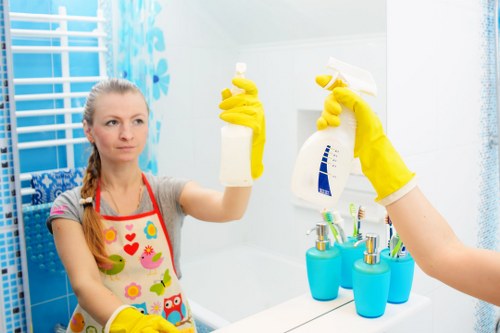 At Merton Cleaner, health and safety is a core part of how all cleaning work is planned, carried out, and reviewed. We are committed to creating a safe environment for our team, clients, visitors, and anyone else who may be affected by our activities. This policy explains the standards we follow to reduce risk, support safe working practices, and maintain a responsible approach across every cleaning task. It applies to all cleaning services, whether routine or specialist, and to all staff, supervisors, and subcontractors working on our behalf.
Our approach is based on prevention. We aim to identify hazards early, assess the risks they create, and put sensible controls in place before work begins. Cleaning operations often involve slips, trips, chemical exposure, manual handling, electrical equipment, and working near other people. By managing these risks carefully, Merton Cleaner helps protect both workers and property while maintaining a high standard of service.
Our Commitment to Safe Working
We expect every member of the team to take personal responsibility for safe conduct. This includes following agreed procedures, wearing suitable protective equipment where required, and reporting anything that could cause harm. Safe working is not optional; it is part of our everyday standards. Managers and supervisors are responsible for making sure tasks are properly planned, that staff understand the risks involved, and that any concerns are dealt with promptly.
Training is central to our health and safety culture. All cleaners receive appropriate instruction on correct cleaning methods, product handling, equipment use, and emergency procedures. Refresher training is provided when needed, especially if new equipment, materials, or work methods are introduced. We also encourage staff to speak up if they are unsure about a task, because preventing accidents is always better than responding to them after the fact.
Risk assessments are completed for routine and non-routine activities. These assessments consider the type of surface, the location, the chemicals in use, access conditions, and the presence of other people. Controls may include signage, restricted access, ventilation, safe storage, or changing the order of work to reduce exposure. Our cleaning health and safety policy is designed to remain practical, relevant, and effective across different sites and job types.
Safe Use of Cleaning Materials and Equipment
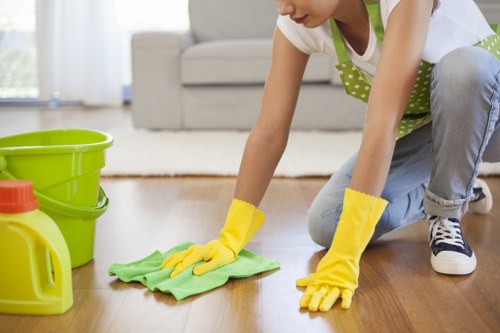 Cleaning products are selected and used with care. We follow manufacturer instructions, keep materials clearly labelled, and store them securely to prevent misuse. Where substances may present a risk, staff are informed about safe handling and any necessary precautions. Equipment is checked before use, maintained regularly, and removed from service if a fault is found. This helps reduce the chance of injury and ensures that the work can be completed efficiently and safely.
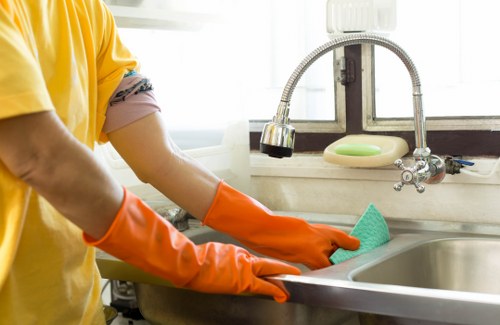
Personal protective equipment, or PPE, is provided where the risk assessment shows it is needed. This may include gloves, masks, aprons, or eye protection depending on the task. PPE is not a substitute for good practice, but it offers an important extra layer of protection when dealing with chemicals, contaminated areas, or heavy-duty cleaning duties. We expect all staff to use the correct equipment properly and to report damaged items without delay.
Slips, trips, and falls are among the most common hazards in cleaning work, so we pay close attention to floor conditions, wet surfaces, trailing cables, and cluttered areas. Warning signs are used where necessary, and work areas are managed to keep movement safe and orderly. Manual handling is also assessed carefully. Staff are trained to lift, carry, push, and move items using techniques that reduce strain. When an item is too heavy or awkward, the job is adapted or supported with equipment.
 Emergency readiness is another important part of our safety arrangements. Staff are made aware of the action to take in the event of an accident, spill, fire, or other incident. First aid provisions are kept appropriate to the nature of the work, and incidents are recorded so that lessons can be learned. When something goes wrong, we investigate the cause and take corrective action to prevent a repeat. This continuous improvement process helps strengthen our health and safety for cleaning services over time.
We also recognise that effective communication supports safer working. Instructions must be clear, hazards must be explained, and any changes in site conditions should be shared quickly. If a client area becomes unsafe, work may be paused until the issue is resolved. Staff are encouraged to ask questions, raise concerns, and contribute to a safer workplace. A good safety culture depends on honesty, awareness, and mutual respect.
Our policy is reviewed regularly to make sure it remains suitable and up to date. Changes in working practices, equipment, or legislation may require updates to our procedures. We monitor performance through supervision, incident reviews, and day-to-day observation. The aim is not only to meet expectations, but to build a dependable standard of care in everything we do. As part of this commitment, our Merton cleaning safety policy supports consistent decision-making at all levels of the business.
 Everyone representing Merton Cleaner is expected to help maintain a safe environment, protect themselves and others, and follow the systems that have been put in place. Health and safety is a shared responsibility, and when each person contributes properly, the result is cleaner premises, fewer risks, and better outcomes for all involved.
 In summary, our cleaner health and safety policy reflects a practical and professional commitment to safe cleaning practices, careful planning, and responsible supervision. By focusing on training, risk management, suitable equipment, and clear communication, Merton Cleaner works to minimise hazards and deliver services in a safe, controlled, and reliable way.